
The Road After Ithaca
Bob Dylan. Achilles. Odysseus. Sisyphus

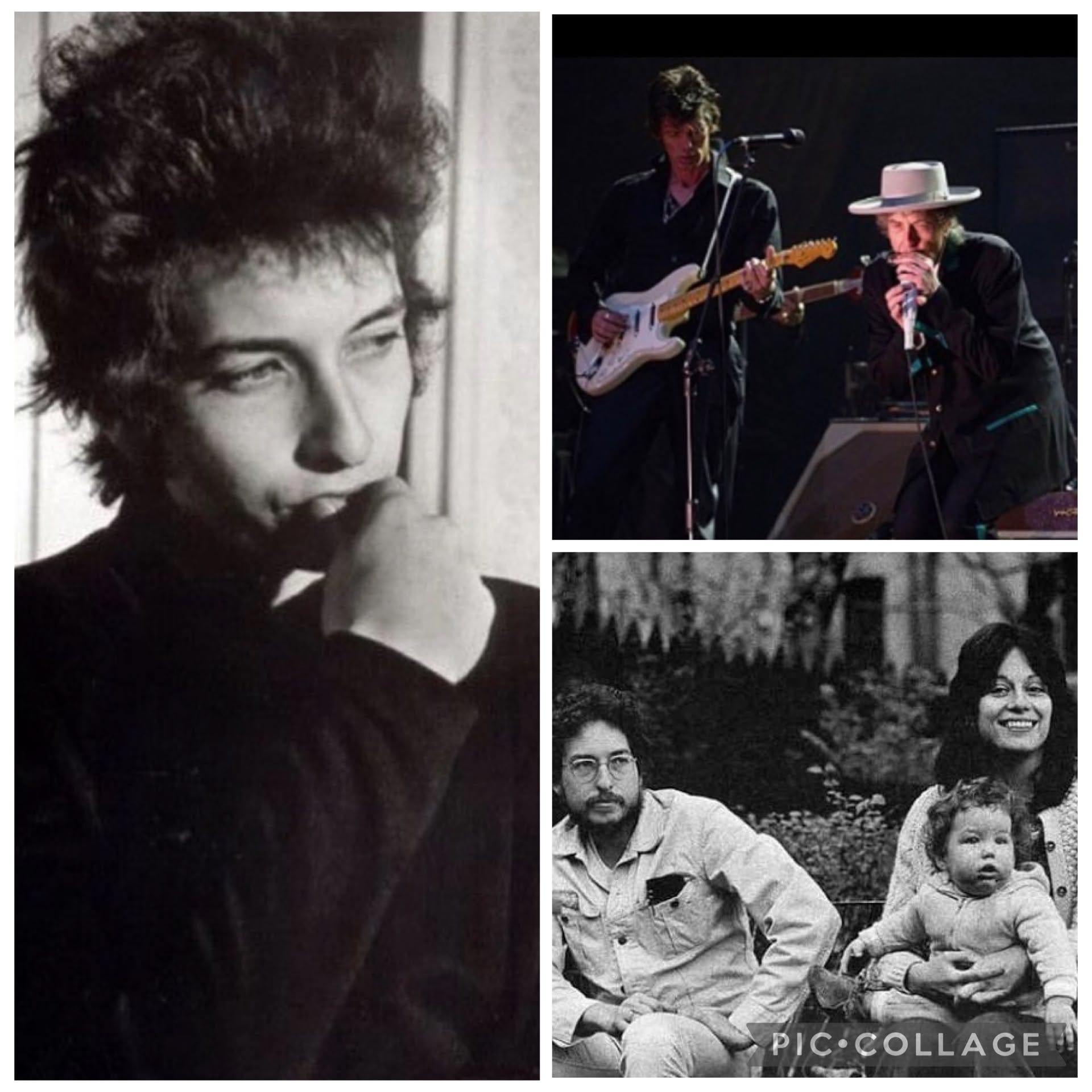
I’ve been reading and hearing so much about Christopher Nolan’s forthcoming film, that I figured I’d join the fray.
Temporary like
No
Bob Dylan could have died in 1966 and become perfect.
He was twenty-five. In little more than a year he had made Bringing It All Back Home, Highway 61 Revisited and Blonde on Blonde. He had broken with the folk world that made him and turned the conflict into music.
The 1966 world tour? It could even be like a myth.
Every evening began with an acoustic set and ended in confrontation. The audience wanted the man they had decided he was. Dylan appeared with the Hawks and gave them someone else.
Achilles is offered two lives. He can return home, live quietly and disappear from memory. Or remain at Troy, die young and become immortal.
Dylan appeared to be making the second choice.
Had he died that year, the legend would have been immaculate. No country records. No conversion. No eighties slump. No failed films, no Christmas album and no “Sinatra albums”. He would never have become unfashionable or old.
He would have remained forever enshrined and entombed, standing defiantly against a hostile crowd. A rebel with a cause. “I don’t believe you”.
The motorcycle accident broke the spell. Dylan stopped. The touring ended. He withdrew with Sara and the children and stepped out of the role that had begun to consume him.
He refused the beautiful death.
He chose Odysseus.
Odysseus wants what Achilles rejects. He wants to survive the war and return home. Ithaca offers wife, child, house and continuity.
For Dylan, Woodstock became Ithaca. Sarah became Penelope. Could Joan Baez be a Calypso? Possibly an interpretation too far.
The voice of a generation seemed to be trying to become a husband, father and musician.
For a while, Ithaca held.
The retreat saved his life but it could not give him a final self.
Odysseus returns to a home that restores his identity. Ithaca knows him. Penelope knows him. The man who returns can still occupy the life of the man who left.
Dylan had no such stable self waiting.
Robert Zimmerman could not simply come home. Bob Dylan was no longer a disguise he could remove at the door. The folk singer, protest singer, electric traitor, poet, husband, celebrity and fugitive had all become part of the same divided figure.
Home sheltered him, but it could not settle him.
The marriage broke. The road resumed.
He survived Troy and then found that Ithaca couldn’t save him.
Enter another myth. One that’s rather more familiar to this blog.
Edit - in line with first comment - I am referring to Albert Camus’s version of the myth, in his book “The Myth of Sisyphus” and not the original Greek myth.
Sisyphus.
Dylan’s later life is usually described through constant reinvention. Maybe the deeper pattern is repetition.
Dylan returns to the same songs. He changes the phrasing, removes the melody, shifts the emphasis, drops a verse, restores a line and begins again.
A performance succeeds and disappears. The next night, the rock is waiting.
The Never Ending Tour gives the image its obvious form. Every evening, Bob Dylan pushes “Bob Dylan” back up the hill.
Sisyphus knows the stone will roll back. His freedom begins when he sees the task clearly and stops asking it to become something else.
There is no final victory hidden inside the labour. No explanation waiting at the summit.
The absurd begins with that lucidity and so does the freedom.
Dylan is not searching for the performance that will settle the song, or the home that will end the journey.
He returns to the work 100 times a year without requiring completion from it.
Achilles sought immortality through a perfect ending. Odysseus sought meaning through return. Sisyphus continues without either.
Bob Dylan did more than outlive the sixties. He accepted the cost of outliving them.
He allowed the voice to roughen. He allowed the songs to lose their familiar shapes. He allowed the young man in the photographs to become unreachable.
He kept working after the myth had ceased to flatter him.
Achilles never has to grow old. Odysseus grows old at home. Sisyphus grows old beside the stone.
Dylan could have remained young by dying. He could have disappeared into private life and allowed the public figure to harden into memory.
Instead, he accepted a third fate: to become “Bob Dylan” repeatedly, provisionally, without ever reaching the final version.
The road is what remains after home has lost the power to complete him.
The old song is pushed uphill once more. It may briefly become something no previous version contained.
Then it rolls back again.
Tomorrow, he will return to it.
4,000 concerts. 50 countries. 90 cities.
It’s as Herculean as it is Sisyphean.
As far as Odysseus goes, yes, Dylan lived and didn't die an immaculate legend, like Achilles. And yes, home was only temporary, there is no solidity with Dylan, only constant mutability. But Sisyphus? Sisyphus is tormented, forced every day to do his pointless task. No. Dylan is invention itself. He is his own constant muse, there is no Dylan as there is a Jagger, a constant presence, musically speaking. This has nothing to do with his personal life. As a musician, there is only invention, only change. Picasso was like that, and Monet, the stable genius with a happy life, continued to paint the same way as he always had. Sisphus takes no joy in his task. Dylan's task of constant recreation is his musical life, and he takes great joy in it.
A very thoughtful piece. It brings to mind his quote, ""I was born very far from where I'm supposed to be, and so I'm on my way home" from his documentary, quite ironically and intentionally, I'm sure, called No Direction Home. Just keeping at it and everything will be different once he paints that masterpiece. Once...